 Fit
Fit How to Shape Your Kitchen Environment for Easy Nutrition
The Hidden Force Shaping Your Daily Diet
When people decide to improve their eating habits, they usually focus on personal discipline. They commit to tighter rules, promise to resist temptations, and rely on self-control to make better choices. Yet by the end of a long, exhausting workday, those good intentions often evaporate in front of an open pantry.
The truth is that daily nutrition is rarely a test of character. Instead, it is largely a response to your surroundings. The structure of your kitchen, the visibility of certain items, and the convenience of preparation play a massive role in what ends up on your plate. When nutrient-dense options are hidden behind clutter and high-calorie snacks sit on the front counter, eating well requires constant mental effort. By shifting your focus from exercising restraint to organizing your environment, you can make healthy nutrition feel automatic rather than forced. More details are available on buy flowforce max.
Why Willpower Is a Unreliable Strategy for Healthy Eating
Willpower is a finite mental resource. Throughout the day, every decision you make—from answering work emails to navigating traffic—drains your energy. By evening, decision fatigue sets in, making it significantly harder to resist quick, convenient calories.
Modern ultra-processed foods are engineered to be highly palatable and hyper-convenient. Expecting yourself to continuously resist these options while they sit at eye level in your kitchen is an unfair struggle. When you redesign your space, you eliminate the constant internal debate. Instead of asking yourself to resist temptation dozens of times a day, you adjust your surroundings so that the healthiest option is also the most effortless one.
Reorganizing Your Fridge and Pantry for Success
The layout of your refrigerator and food storage cabinets directly shapes your eating choices. Most people store fresh produce in opaque crisper drawers at the bottom of the fridge, where fruits and vegetables are easily forgotten until they spoil. Meanwhile, pre-packaged items sit on the middle shelves at direct eye level.
Practical Ways to Optimize Cold Storage
- Use clear glass containers: Wash and chop raw vegetables like bell peppers, cucumbers, and carrots right after grocery shopping. Store them in transparent containers on the middle shelf where you see them immediately upon opening the door.
- Move protein sources front and center: Keep items like Greek yogurt, cottage cheese, hard-boiled eggs, and pre-cooked proteins readily visible for quick snacking.
- Hide high-sugar beverages: If you keep sodas or sweetened drinks at home for special occasions, place them toward the back or in less visible drawers. Keep a pitcher of cold water infused with lemon or mint right in front.
Pantry Reset Strategies
Apply the same visual principles to your pantry. Store whole grains, canned beans, lentils, raw nuts, and seeds on eye-level shelves. Place chips, cookies, and processed snacks in opaque bins or on the highest shelves that require a step stool to reach. Adding just a tiny amount of physical friction between you and a snack creates a brief pause, giving you time to ask if you are truly hungry or simply bored.
The Power of Countertop Design
What sits on your kitchen counter acts as a constant visual cue to your brain. Research in behavioral psychology shows that people tend to eat more of whatever food is left out in plain sight, regardless of their actual hunger levels.
If a box of cereal or a bag of pretzels sits next to the coffee maker, you are far more likely to grab a handful every time you walk past. Reclaim your countertop space by keeping it clean and intentional:
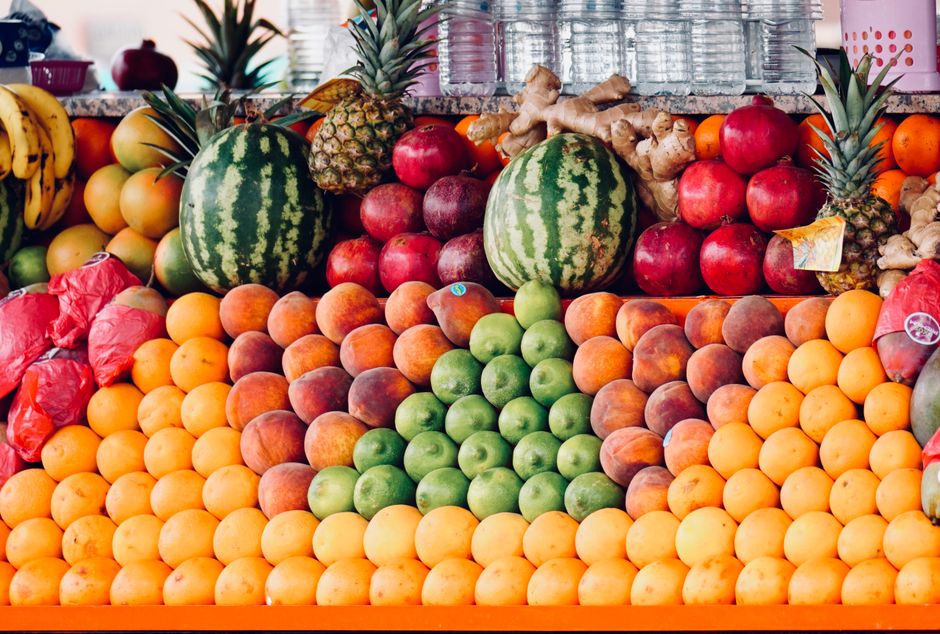
- Keep a full fruit bowl visible: A bowl stocked with apples, oranges, or bananas provides a colorful, accessible option when you crave something sweet.
- Leave cooking essentials ready: Keep a quality olive oil bottle, wooden spoons, and a sturdy cutting board near the stove. When your cooking tools are inviting and accessible, preparing a homemade meal feels much less daunting.
- Clear the clutter: Remove unopened mail, appliances you rarely use, and miscellaneous items from your prep areas. A clean, spacious countertop lowers stress and makes home cooking a pleasant experience.
Upstream Nutrition: Controlling What Enters the House
Your home food environment begins long before you put anything in your cabinets. The grocery store is the ultimate gatekeeper for your nutrition. Decisions made during a 30-minute shopping trip determine your options for the entire week ahead.
To build a supportive home environment, practice strategic shopping habits:
Shop with a Concrete Plan
Never enter a grocery store without a basic list based on planned meals. Shopping without a strategy leaves you vulnerable to promotional displays and impulse purchases designed by retailers to catch your attention. Trusted resources such as MedlinePlus, from the U.S. National Institutes of Health cover this in more depth.
Never Shop on an Empty Stomach
When your blood sugar is low, your brain naturally seeks quick, high-calorie energy sources. Eating a small, protein-rich snack before heading to the store helps you stick to your intended list with much greater ease.
Use Online Grocery Services
If you find impulse buying particularly difficult to manage in store aisles, consider ordering groceries online for pickup or delivery. This allows you to select exactly what you need without passing by enticing snack displays, keeping your home environment aligned with your health goals.
Managing Shared Spaces and Workplace Environments
While you may have full control over your personal kitchen, shared environments like family homes or office breakrooms present unique challenges. You might live with family members who keep different foods in the house, or work in an office where pastries appear in the breakroom daily.
In shared households, designate personal shelves or specific drawers for different types of food. Having your own dedicated space in the pantry for high-fiber, nutrient-dense items helps maintain your routine without forcing strict dietary changes on everyone else in the home.
For workplace settings, focus on your immediate personal space. Keep a supply of non-perishable snacks like almonds, pumpkin seeds, or unsweetened dried fruit inside your desk drawer. Having a satisfying, nutritious snack within reach prevents you from relying on office vending machines or sugary breakroom treats when energy dips mid-afternoon.
Shifting from Willpower to Environmental Design
Achieving sustainable, long-term health is not about fighting yourself every time you enter the kitchen. It is about creating a space that gently guides you toward choices that nourish your body and support your energy levels.
Start small. You do not need to overhaul your entire house in a single afternoon. Pick one actionable change today—whether that means washing fresh fruit to put on the counter, reorganizing your main fridge shelf, or clearing off your meal prep space. By taking care of your environment, you allow your environment to take care of you.
Frequently asked questions
How do I maintain a healthy food environment if my family buys junk food?
Designate specific cabinet shelves or opaque storage bins for snacks that belong to other family members. Keeping those items out of your direct line of sight helps reduce visual cues while allowing everyone in the household to have their preferred options.
What are the best healthy snacks to keep visible on the kitchen counter?
Fresh whole fruits with protective skins—such as apples, oranges, bananas, and pears—are ideal for counter displays. You can also keep raw nuts or seeds in sealed, attractive glass jars within easy reach.
Does changing my kitchen setup really work better than tracking calories?
Environmental changes reduce friction and reliance on willpower, making good choices feel automatic over time. While tracking calories can offer valuable data, redesigning your surroundings creates long-term daily habits without constant mental effort.
How can I make fresh vegetables easier to eat before they spoil?
Wash, trim, and chop raw vegetables right after bringing them home from the store. Place them in clear glass containers at eye level in the refrigerator so they are immediately visible and ready to eat when you open the door.