 Fit
Fit Working Sustainable Weight Change Versus Crash Diets Into a Busy Week, Made Simple
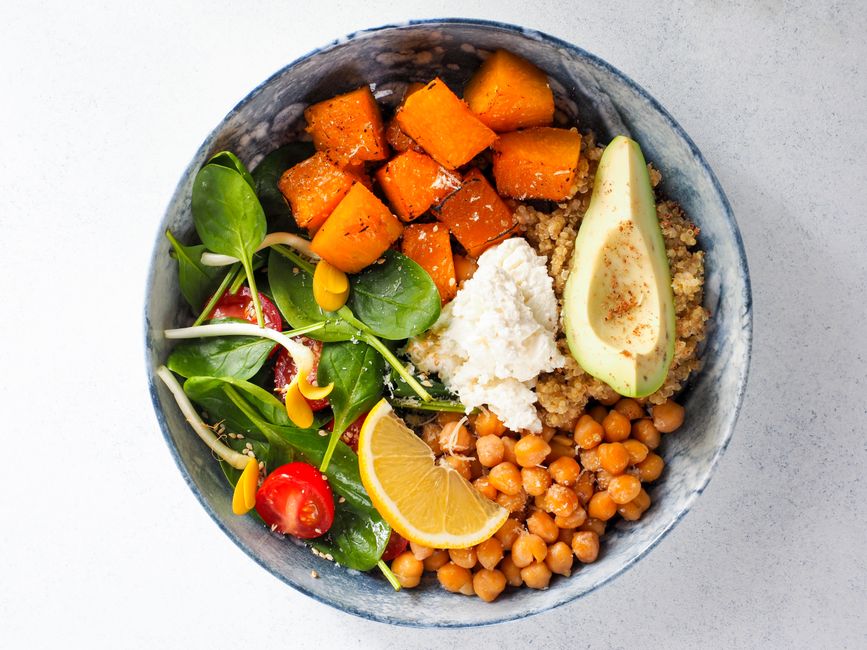
In midlife and beyond, sustainable weight change versus crash diets deserves a little more attention than it did at twenty-five. The focus is on habits you can actually keep, not a short-lived push. Here is a grounded, practical look at sustainable weight change versus crash diets that fits into a real, busy life.
Why it matters more now
Rapid diets work in the sense that the weight comes off. What they generally fail at is the second half of the task, and the second half is the whole point. A very restrictive plan produces a fast drop, much of it water and some of it muscle, followed by a return that is usually larger than the loss. You can read the full details on resvera burn.
What changes with age
Put simply, part of the reason is biological. Sharp restriction raises appetite, lowers spontaneous movement, and preserves energy in ways nobody chooses consciously. Part of it is practical: a plan built on foods a person does not enjoy, cannot cook, and cannot eat with other many people has a built-in expiry date.
The goal is progress you can maintain, not perfection you have to chase and eventually abandon.
Adjusting your approach
Put simply, a slower approach looks unimpressive week to week and holds up better across a year. It usually involves eating enough protein to protect muscle, keeping some resistance training in the week, changing three or four habits rather than everything, and accepting a rate of change that feels almost too modest to bother with.
Protecting your energy
On a day-to-day level, the most useful question when choosing an approach is not how fast it works but whether it could be continued indefinitely. Anything that cannot be maintained is a temporary intervention, and temporary interventions produce temporary results by definition. You can read more from MedlinePlus (National Institutes of Health).
Staying strong and steady
The other half is what happens afterwards. Most plans describe how to lose weight and say nothing about the years that follow, which is where the difficulty actually sits. Deciding in advance what the maintaining version of the routine looks like — what stays, what relaxes — turns a diet into a change of habit.
Practical tips
Here are a few easy places to start:
- Anchor a new habit to something you already do each day, like your morning coffee.
- Aim for good enough on busy days instead of skipping entirely.
- Notice what works for you personally, since everyone responds a little differently.
- Protect your sleep, since it quietly makes everything else easier.
The bottom line
Keep it simple, be patient with yourself, and let small changes add up. None of this needs to be perfect. A few steady habits, kept up over time, tend to do far more than any short-lived effort.
Frequently asked questions
Do I need special equipment or money?
No. Most of what helps is free or low-cost, and the simplest options are usually the ones people stick with.
What is the single most important thing to focus on?
Consistency. A modest routine you actually keep beats an ambitious plan you abandon after a week.
Is this suitable for busy people?
Yes. Most of the ideas here fold into things you already do each day, so they take little extra time.
Is this relevant if I'm just starting out?
Yes. You can begin with one small change and build from there. With sustainable weight change versus crash diets, steady progress beats trying to do everything at once.